UTMB reports shorter specialist waits with AI referral triage
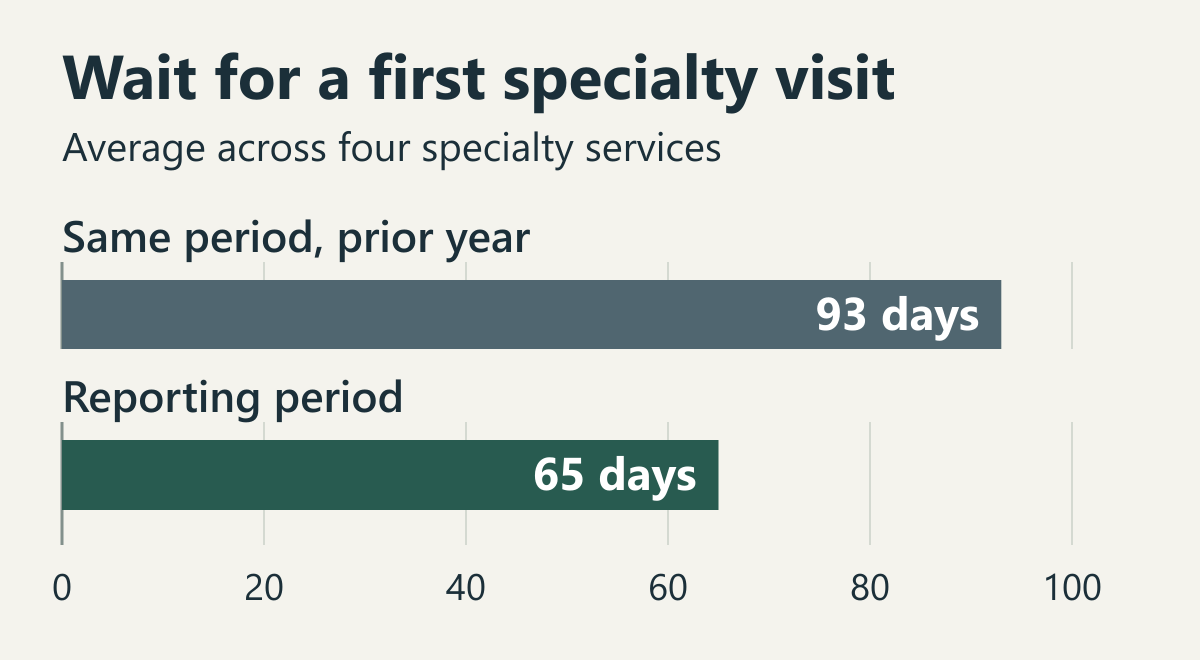
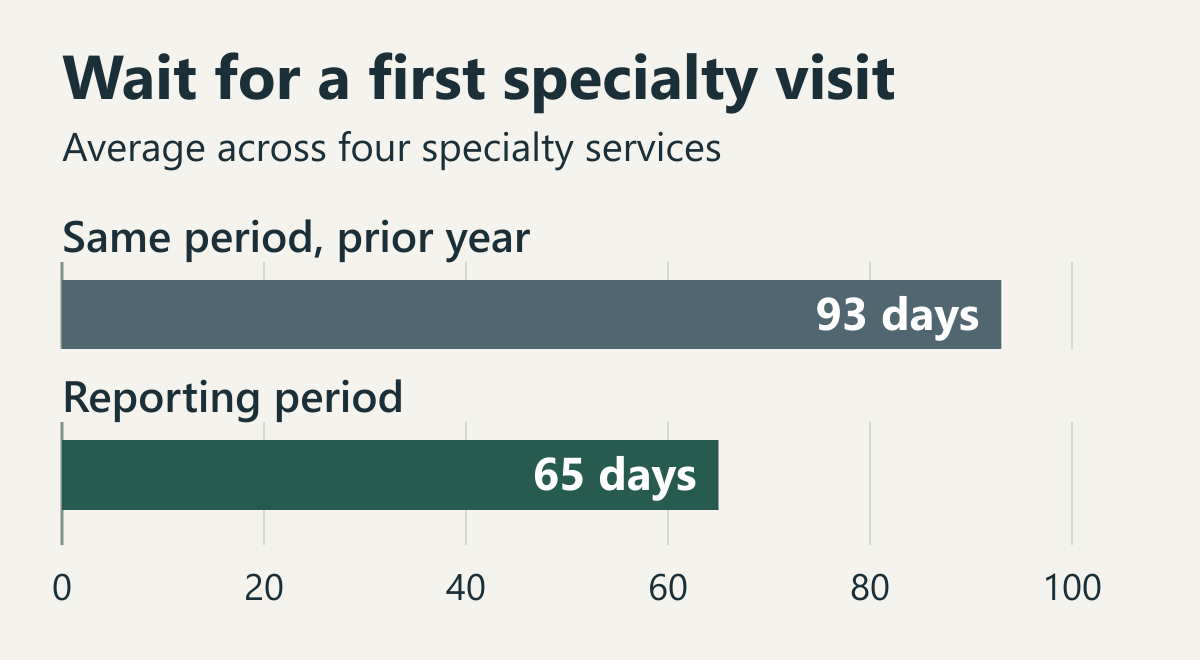
The University of Texas Medical Branch says the average wait for a first visit fell from 93 days to 65 across four specialties. The change starts before anyone books an appointment.

In this article
Two patients need a colonoscopy. One is due for routine screening. The other has reported bleeding and abdominal pain. The University of Texas Medical Branch used that example to explain the problem its specialty clinics faced. Both patients could land in the same scheduling queue. The reason one might need the earlier appointment was in the chart.
UTMB is now using AI to help staff review more than 2,000 referrals a month across five specialty services, according to its chief transformation officer, Dr. Salim Hayek. In an interview with Healthcare IT News, he reported that the four services using the system longest had seen their average wait for a first visit fall by 28 days compared with the same period a year earlier.
What a coordinator sees before booking
Each specialty writes its own triage rules. Software developed with Bunkerhill Health reads the referral alongside notes, test results and outside records in the Epic electronic health record. It proposes a priority and a next step, with links to the evidence behind the recommendation.
A coordinator can check the cited result, ask the referring office for missing information or book the visit. A specialist can also answer the referring clinician electronically, so the patient can get an answer without making another trip. As Hayek told Healthcare IT News, “The agent recommends, and our people decide.”
Which patients are in the 93-to-65-day comparison?
The figures describe patients waiting for a first visit in the four longest-running specialties. They are averages across those services. A patient referred to one particular clinic could still wait considerably longer or get in much sooner.
Hayek described the results as preliminary. Comparing one year with the previous year leaves an open question. How much of the difference came from reviewing the chart with AI, and how much came from changes in who needed an appointment or which slots were available?
What happens after a referral gets a priority?
An earlier appointment and a completed visit answer different questions. Researchers at NYC Health + Hospitals saw the distinction in a separate study of electronic specialist consultations. Across 19 specialty clinics, people who got an appointment waited less time after the program began. The share of referrals followed by a completed specialist visit within 90 days stayed around 38%.
At UTMB, Hayek said his team’s next scheduling change is to hold some new-patient appointments for higher-priority referrals. For the two patients waiting for a colonoscopy, that is where the decision in the chart reaches the calendar. Staff need an earlier slot they can actually offer.
How we reported this story
Linear Health reviewed Hayek’s interview with Healthcare IT News, UTMB’s description of the workflow and the University of Texas System’s project record. The wait times are UTMB’s preliminary figures. The New York research examined a separate e-consult program.