Only one in four uninsured U.S. adults with diabetes reported an eye care visit
A national survey documents who reached eye care. For a primary care team following up on a missing retinal exam, the next step depends on what happened at that visit.

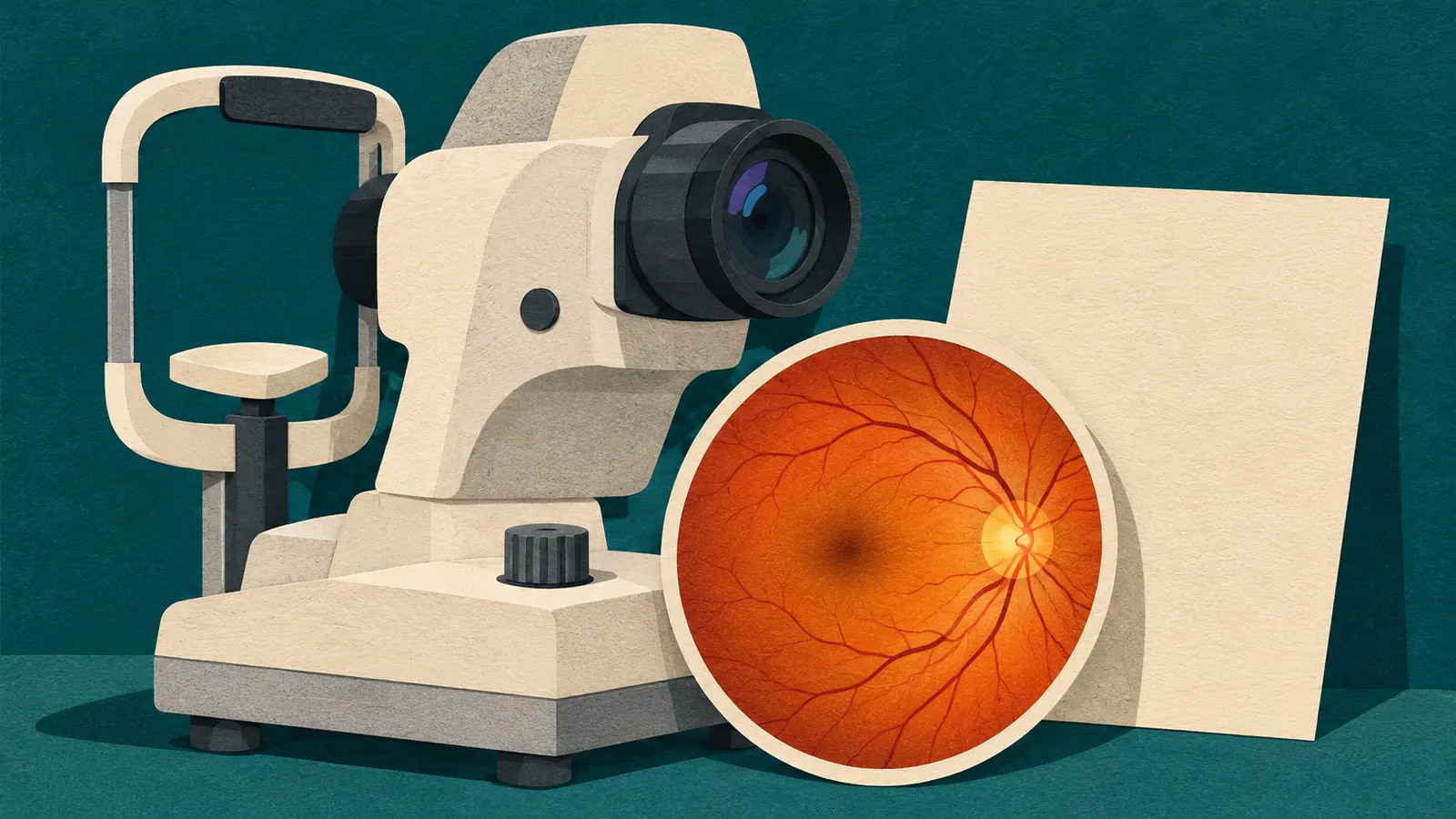
Among U.S. adults with diabetes, 24.5% of those without health insurance said they had seen an eye care professional in the past year, compared with 68.1% of those with coverage. The figures come from 2023 interviews analyzed by John Omura, MD, and colleagues in a CDC-led study published November 25 in *JAMA Ophthalmology*. The question captured whether people reached eye care. A respondent could answer yes without having had a retinal exam.
The team examined responses from 74,719 adults with diabetes across nearly three decades of the National Health Interview Survey. The only period with a statistically significant rise in reported eye care use was 2014 to 2018, when the share increased from 50.3% to 55.3%. After a 2019 survey redesign, the researchers analyzed the later years separately. They found no significant change from 2019 to 2023. The interviews could not tell a clinic whether someone had struggled to find an affordable appointment, received care elsewhere or never received a referral.
Source
Following up on a missing exam
That distinction matters when a primary care team opens its year-end list of patients due for a diabetes eye exam. The 2026 federal quality measure covers eligible patients ages 18 to 75. For a patient with active diabetic retinopathy, it looks for a qualifying exam during the measurement year. For someone without a retinopathy diagnosis during that year, an exam in the preceding 12 months can also count. The type and date of the exam help determine whose name belongs on the outreach list.
Two patients on that list might both tell a coordinator they saw an eye doctor recently. One might already have a qualifying exam on file at the eye practice and need only the report sent back. The other might have gone for glasses and still need help booking a retinal exam. Asking where the visit took place and what was done gives the team a concrete next step in either case.