Duke wants one referral number for nine obesity clinics. UNC is bringing visits into primary care
Duke is working on a single place to send referrals. At UNC Health, the scheduling decision depends on which patients a local primary care clinic has time and training to see.


At Duke, a clinician referring someone for obesity care faces a choice among nine clinics. Shaina Eckhouse, MD, says Duke is working toward one phone number and one process for deciding where each referral goes. At nearby UNC Health, Sarah Ro, MD, says patients can already see a physician certified in obesity medicine at 20 of the system’s 83 primary care clinics. The two physicians described their work at a Raleigh-Durham roundtable covered by its host, *The American Journal of Managed Care*, on November 26.
UNC made room on the calendar by reserving part of a primary care physician’s week for weight management. The program began in 2019 with three physicians in three counties. By 2025, 17 clinicians in nine counties were setting aside a half day to a full day each week. In the newly published roundtable account, Ro put the program’s reach at 10 counties and the wait for a visit at 60 to 90 days. She said some patients elsewhere wait six to 12 months. Her comparison describes waits in different settings. Measuring a change at UNC would require appointment data from before and after the program expanded.
Where patients can be seen
Where the patient goes depends on what the referring clinician is asking for. Ro described patients with type 2 diabetes or sleep apnea receiving weight management in community clinics, while someone preparing for an organ transplant would go to a specialist. UNC supports those routing decisions with a clinical pathway and monthly education sessions. It also charges a primary care copay for the local visits. Ro said patients had identified cost as their biggest barrier.
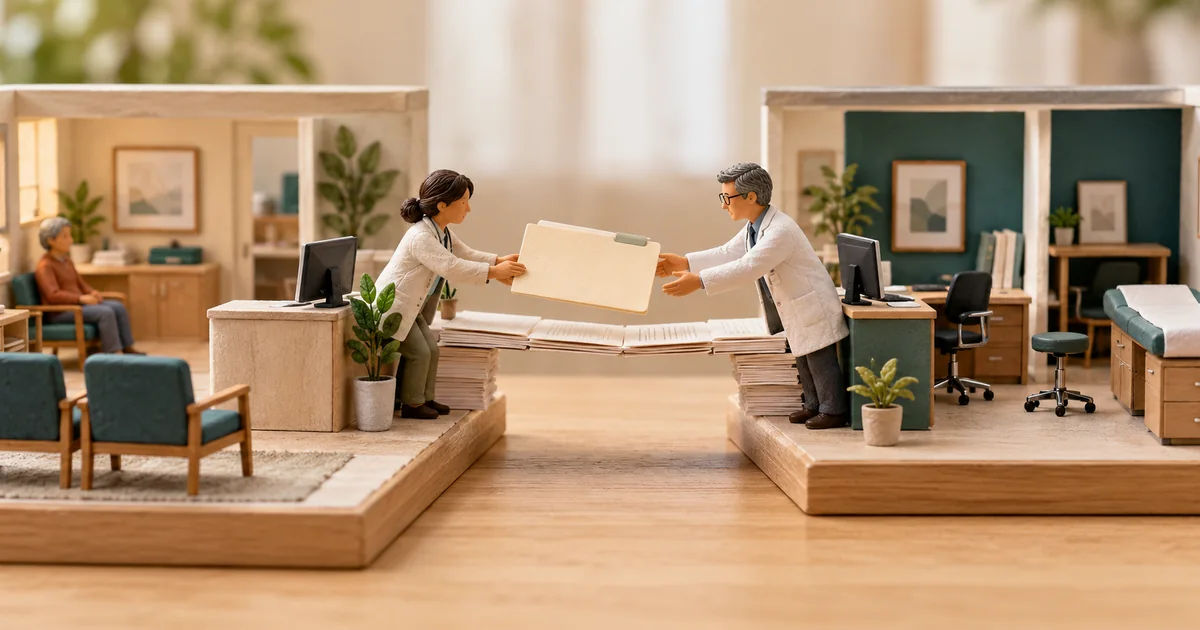
Duke’s proposed number addresses the decision at the other end of the phone. A referring office could give the patient one place to start, and Duke’s team could determine which clinic should review the case. For now, Eckhouse described that as work in progress. UNC’s experience points to what happens after that routing decision. To offer care close to home, a scheduler needs a local clinician with time reserved to see the patient.